The paid edition
Everything plus the Brief
$8 / month
Public companies, capital, supply chains and analysis. Every Monday, every claim tagged and sourced.
SubscribeCharter price, locked for three years.
A Robot Economy Publication
People, Products, Projects, and Plans
Volume 1, Week of October 26, 2026
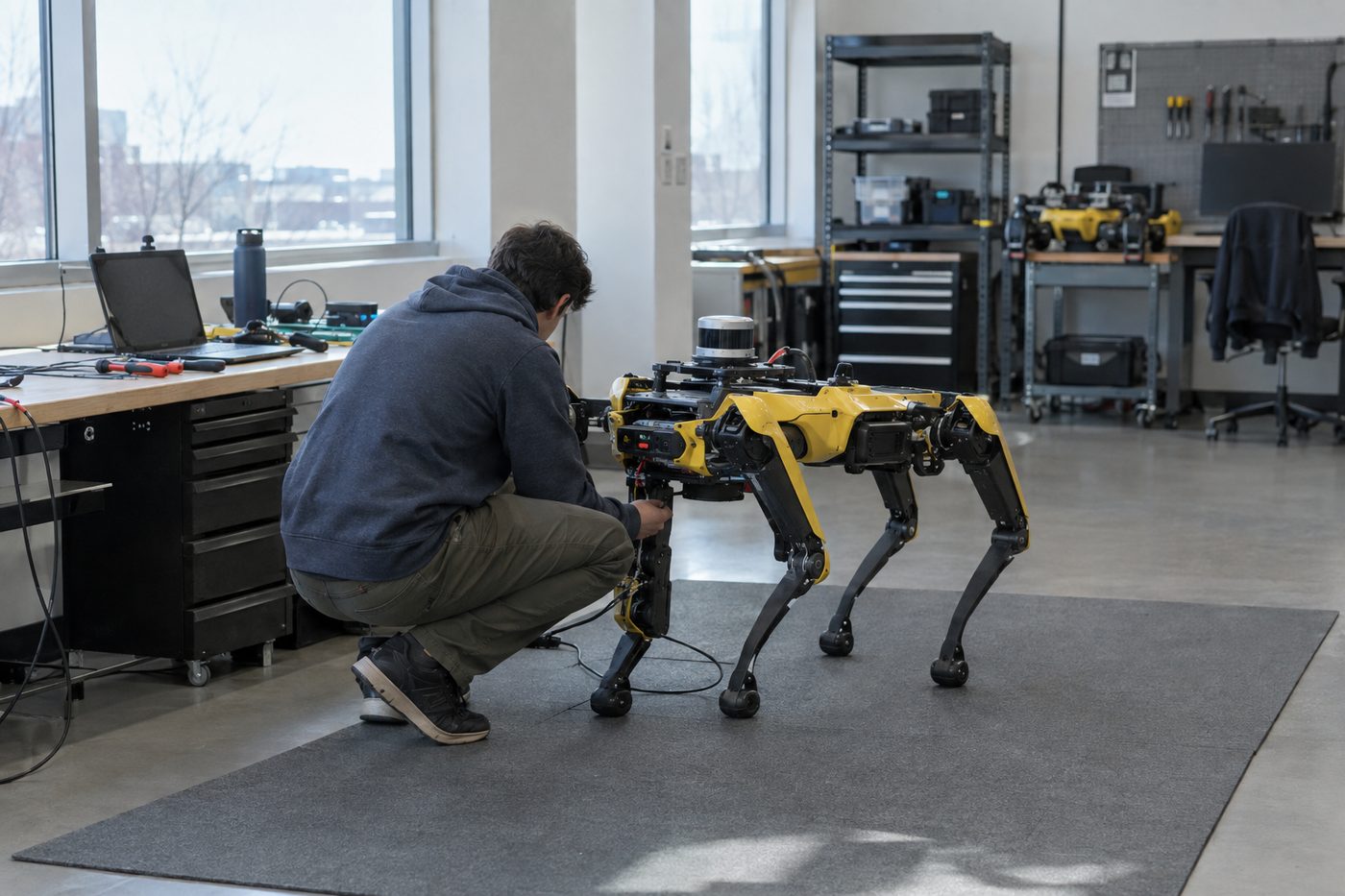
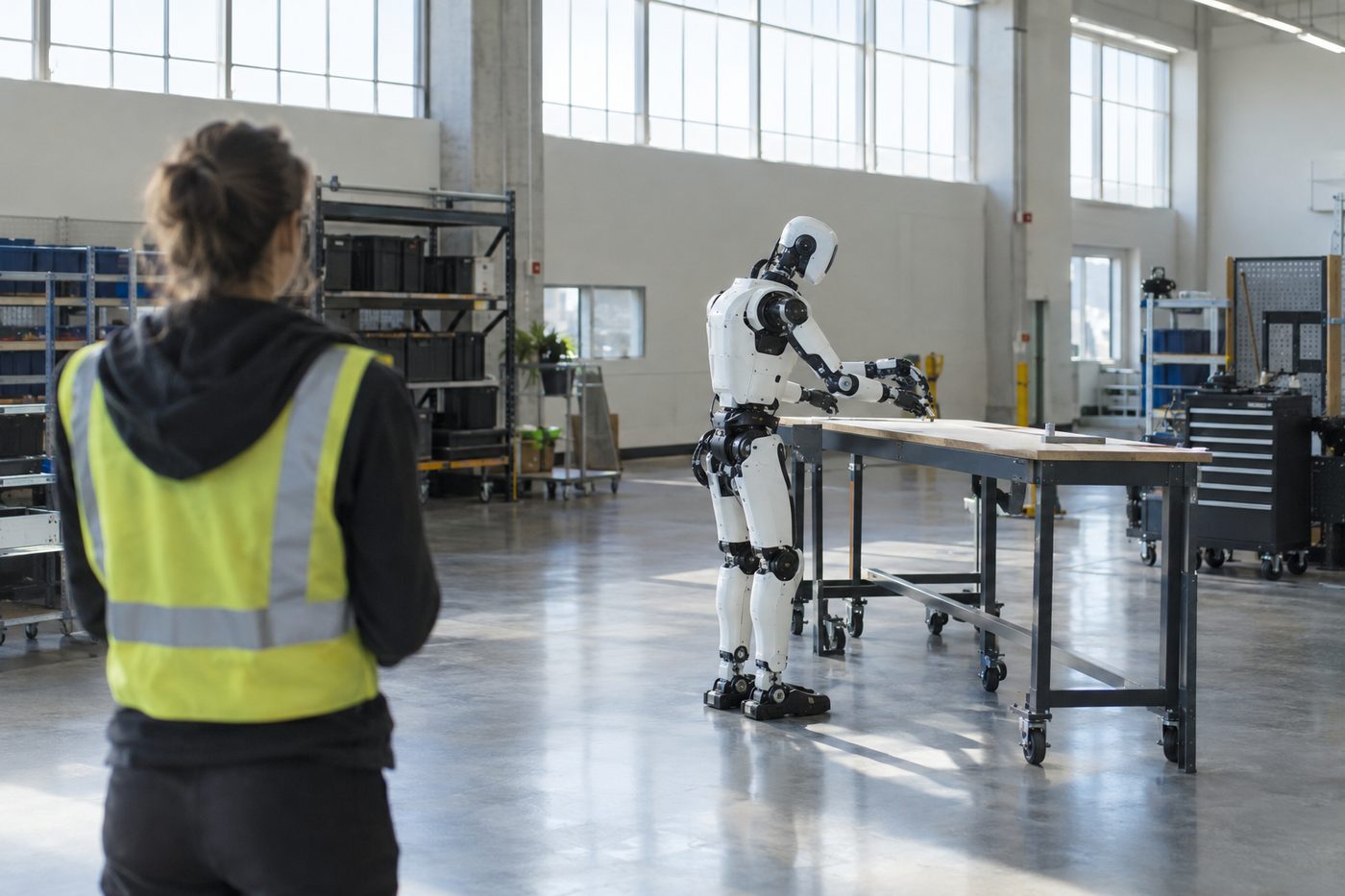
Amazon is reportedly assembling a dedicated team to design and build humanoid robots, targeting applications in both warehouses and broader settings such as homes and healthcare, according to the Robot Economy record. The report suggests the effort includes recruiting members from Covariant and currently numbers eight individuals, with future expansion expected. This team’s primary focus is to develop robots capable of loading and unloading trailers, moving pallets, and managing order fulfillment within Amazon’s logistics network.
The claimed initiative comes from Brittain Ladd, a supply chain consultant and former Amazon executive, who cited unnamed sources in a LinkedIn post highlighted by Retail Tech Innovation Hub, as detailed by Humanoids Daily. According to these claims, the project’s initial scope is tightly aligned with Amazon’s core logistics operations, but the vision extends to home, hospital, school, and nursing care scenarios, using Amazon’s Alexa voice AI.
Simulation-based development is said to be a key early step in the project, with evaluation of both wheeled and bipedal robot configurations. Ladd’s sources suggest that simulation could begin as soon as early fall, with potential prototypes to follow by the end of the year. The dual-path approach—considering both mobile and legged platforms—shows Amazon’s intention to test which designs best meet its operational demands, as Humanoids Daily reports.
Notably, Ladd contrasts Amazon’s disciplined engineering process with what he describes as “overly hyped demonstrations” from other humanoid robotics companies. He suggests that Amazon’s substantial resources position it to build practical, scalable solutions, rather than focus on marketing-driven prototypes. However, without an official statement from Amazon, these developments remain unconfirmed and are drawn from a former executive’s informal network, as communicated by Humanoids Daily.
The Covariant connection is especially relevant given that company’s reputation in AI-driven robotics for logistics and automation. The participation of Covariant personnel could accelerate Amazon’s R&D, merging advanced perception and manipulation capabilities with proprietary logistics knowledge, the Robot Economy record indicates.
Amazon’s reported intent to develop humanoid robots for warehousing comes as the sector intensifies its focus on automation efficiency and labor cost management. Recent humanoid deployment claims at GXO and Mercedes-Benz (see Headlines) set the competitive baseline for performance, scalability, and integration across fulfillment and manufacturing. Amazon would bring formidable scale and integration potential across retail and cloud ecosystems.
The report notes that no formal announcement has been made, and Amazon did not respond to media inquiries as of publication. Until confirmation, these efforts are best viewed as a high-confidence rumor sourced to a credible industry insider but remain outside Amazon’s public roadmap, as covered by Humanoids Daily.
Why Is This Important to Investors? If advanced humanoid robotics moves from pilot to operational status at Amazon, warehouse operators and logistics SaaS providers without proprietary robotics IP may face compressed margins. Covariant’s involvement signals a possible technology leap, while incumbent industrial automation vendors and infrastructure startups should track how Amazon sets new integration expectations in fulfillment automation, as the Robot Economy record documents. Verified
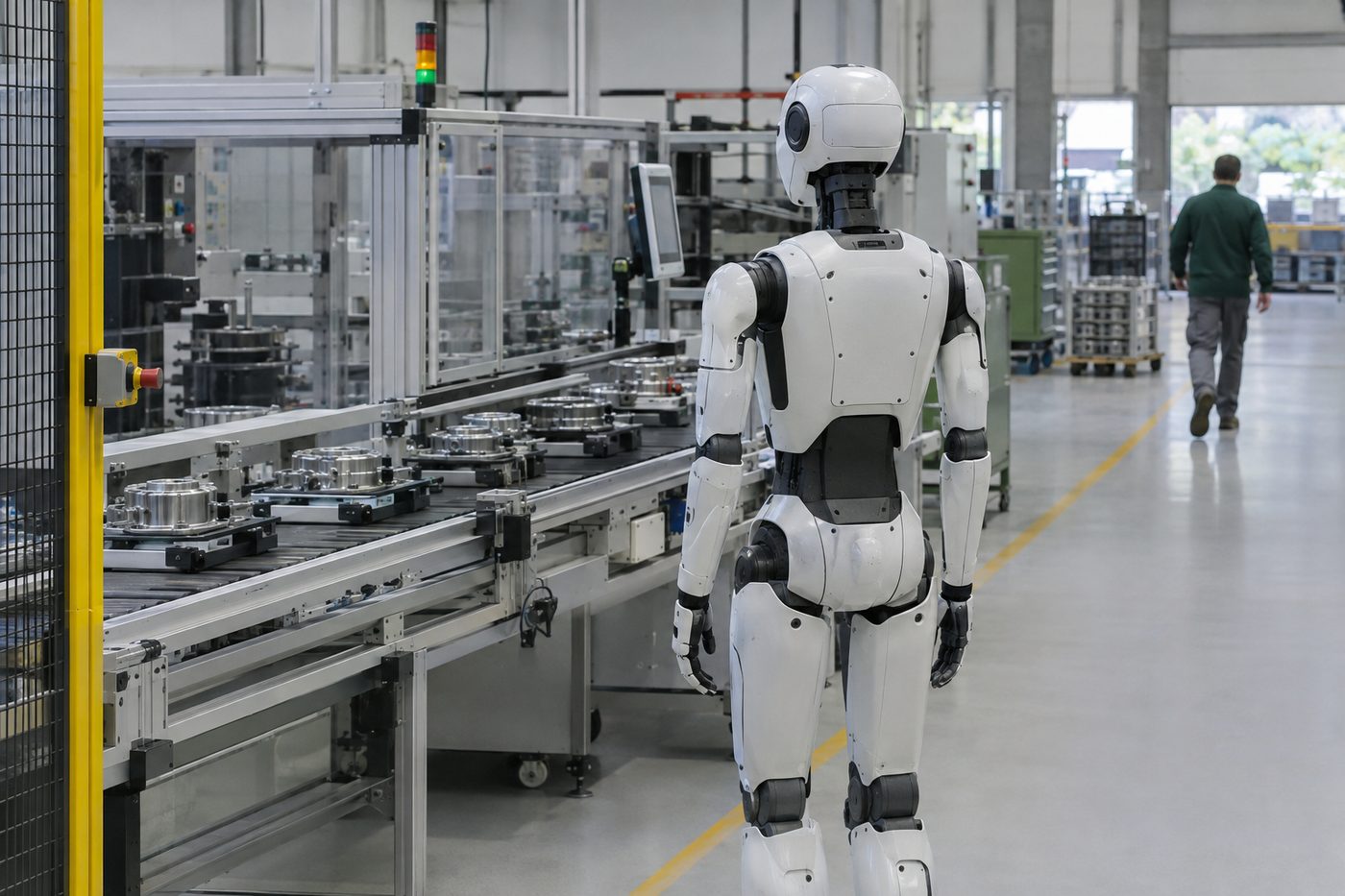
Schaeffler is using Microsoft Fabric to analyze data linking digital twin simulations with the real-world performance of factory robots in its collaboration with Accenture and NVIDIA, according to the Robot Economy record. This partnership focuses on optimizing automation by trialing configurations in virtual environments before deploying physical robots, offering Schaeffler's manufacturing sites a way to anticipate bottlenecks and maximize robot fleet utilization.
At the heart of the initiative, Schaeffler’s team uses NVIDIA Omniverse to create detailed digital twins of factory and warehouse operations, enabling the simulation of multiple automation layouts. Accenture drives the build-out of these virtual replicas, so Schaeffler can model not just machine workflow but also the integration of humanoid robots in human-centric settings. This lets operations leadership test scenarios without interrupting live production, which Humanoids Daily states is key for planning large-scale robotics rollouts.
A clear element is the use of Mega (an NVIDIA Omniverse Blueprint) to orchestrate entire fleets of robots in simulation. The collaboration’s focus on humanoid robots shows Accenture’s recent investment in Sanctuary AI and Schaeffler’s strategy to blend robotics and physical AI into industrial workflows. Schaeffler COO Andreas Schick frames these digital tools as “disruptive innovations” positioned to boost operational excellence, a description cited by Humanoids Daily.
Performance data generated from Omniverse simulations are fed directly into Microsoft Fabric. This unified data platform allows Schaeffler’s floor managers to monitor key performance indicators like robot utilization and overall equipment effectiveness (OEE) under various simulated operating conditions, the Robot Economy record shows. This capability aims to surface issues before live deployment, improving uptime and reducing costly errors on the line.
The technical backbone supporting Schaeffler’s Schweinfurt site includes a generative AI agent, developed by Accenture and Avanade, that is integrated with Fabric. Factory staff can use natural language queries to troubleshoot issues and pull production data, and the technology roadmap includes aspirations for real-time, voice-based interaction with digital twin datasets, as detailed by Humanoids Daily.
This project’s timeline aligns with preparations for Hannover Messe 2025, where Schaeffler and its partners intend to showcase advancements in simulating and optimizing the complex interplay of humans, robots, and industrial systems. NVIDIA’s digital twins lead, Mike Geyer, points to Omniverse’s scaling abilities as a differentiator in handling the next wave of multi-robot and human collaboration, according to Humanoids Daily.
Why Is This Important to Investors? Schaeffler’s deployment of Microsoft Fabric with advanced simulation tools could set a precedent for closed-loop optimization in industrial robotics, giving automation suppliers and tech partners like Microsoft, Accenture, and NVIDIA a clear reference case. The approach positions Schaeffler to improve operations while reducing implementation risks, pressuring competitors to invest similarly or fall behind on deployment speed, reliability, and cost savings, as described by the Robot Economy record. Verified
Free download — The Robot Economy, Illustrated, Vol. 1. Twelve charts on where the machines, the money and the jobs are going.
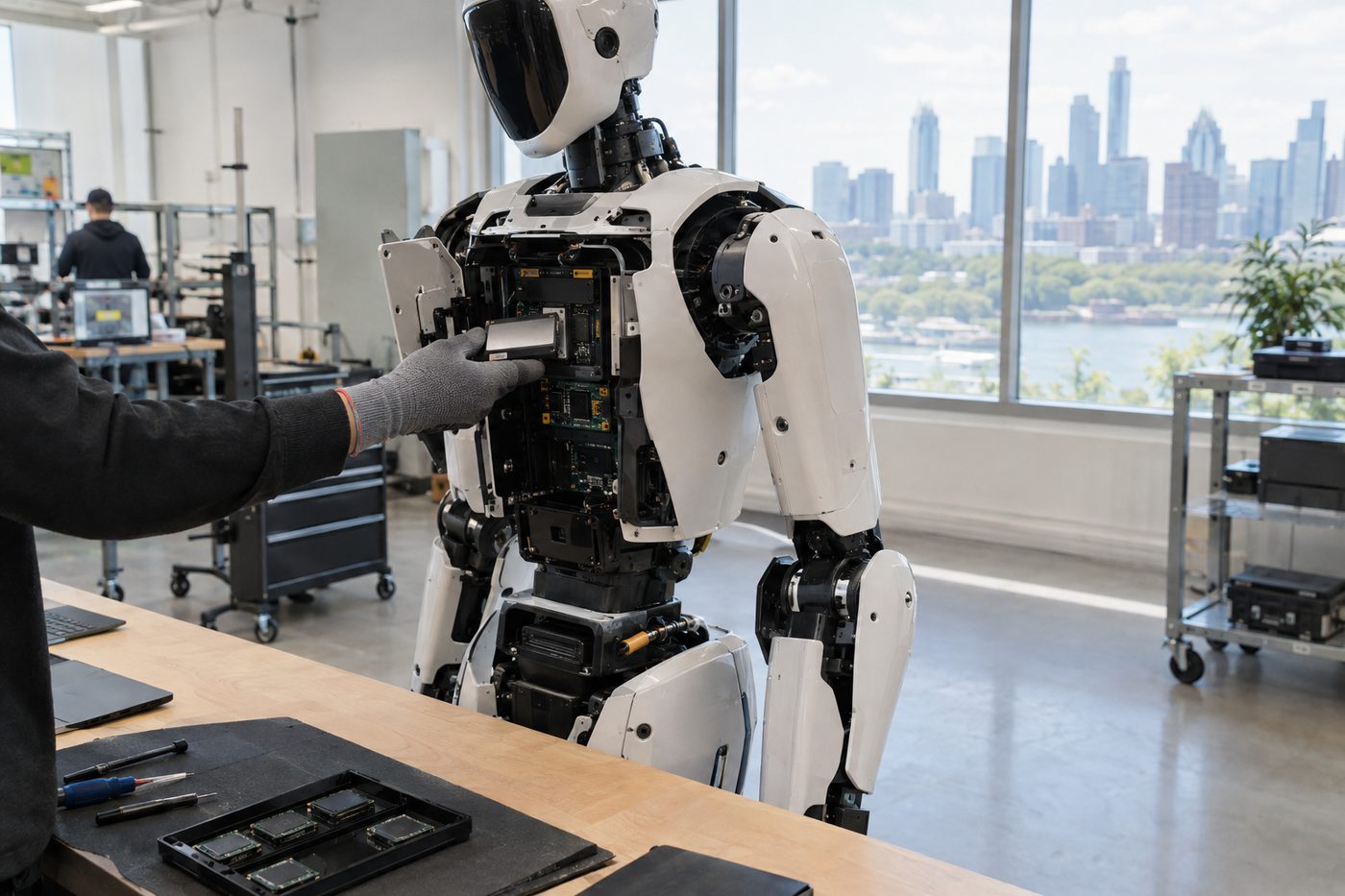
Silicon Motion Technology Corporation is moving assertively to strengthen its presence in the AI humanoid robotics supply chain. The company is pursuing new strategic partnerships that link its Ferri embedded storage solutions with makers of advanced AI-powered robots, aiming to deliver the durability, real-time data handling, and performance that emerging robotics applications demand. The Robot Economy record confirms these moves are central to the company’s efforts to broaden its robotics market reach.
The Ferri embedded storage solutions, engineered by Silicon Motion, are tailored for AI robots that operate in dynamic, unpredictable human environments. These storage devices offer high reliability and power efficiency—critical for robots that must respond in real time to changing scenarios. Features like IntelligentScan™ with DataRefresh and the NANDXtend® Error Correction Code deliver extended device lifespan and solid data integrity, ensuring continuous operation of AI-driven humanoid systems. This aligns directly with the growing storage performance demands in next-generation robotics, as described by Humanoids Daily.
A major step in Silicon Motion’s expansion was its November 2024 collaboration with distributor TOP-electronics. By tapping into TOP-electronics’ EMEA network, Silicon Motion seeks to deliver Ferri solutions into more AI, automotive, and industrial robotics deployments. The partnership uses the distributor’s domain reach to fast-track adoption of NAND storage in vital embedded and industrial markets, according to Humanoids Daily.
Industry demand for advanced storage is being pushed by capital flows into humanoid robotics. In February 2025, Apptronik raised $350 million to scale manufacturing of its AI-enabled Apollo humanoids for use in logistics and manufacturing settings. Reuters cited the funding as an indicator of sectoral acceleration and mounting expectations for supply chain technologies to match robot complexity and autonomy.
This uptick in funding activity is part of a broader surge in deployment and product launches across the humanoid robotics space. Companies including Dobot and AgiBot continue to advance start-of-art AI capabilities, while the market refocuses on enabling technologies like real-time system memory, highlighted by Robot Economy and Robot Economy.
Silicon Motion’s approach tightly aligns technical innovation with commercial execution. By focusing on reliability and power efficiency in hostile or unpredictable operating environments, and securing distribution to priority global regions, the company positions its Ferri offering as a keystone for scaling humanoid robot fleets. These moves are substantiated by the Robot Economy record.
Why Is This Important to Investors? Silicon Motion is linking technical differentiation with channel strength at a time when the humanoid robotics sector is under intense pressure to deliver scalable, reliable systems. Suppliers and distributors in the AI robotics value chain stand to benefit if Ferri’s performance claims translate to operational uptime for customers. Watch for adoption trends in Europe and manufacturing-heavy verticals: successful integration would generate pull-through demand in a rapidly capitalizing market, rewarding component makers and integration partners alike. Verified
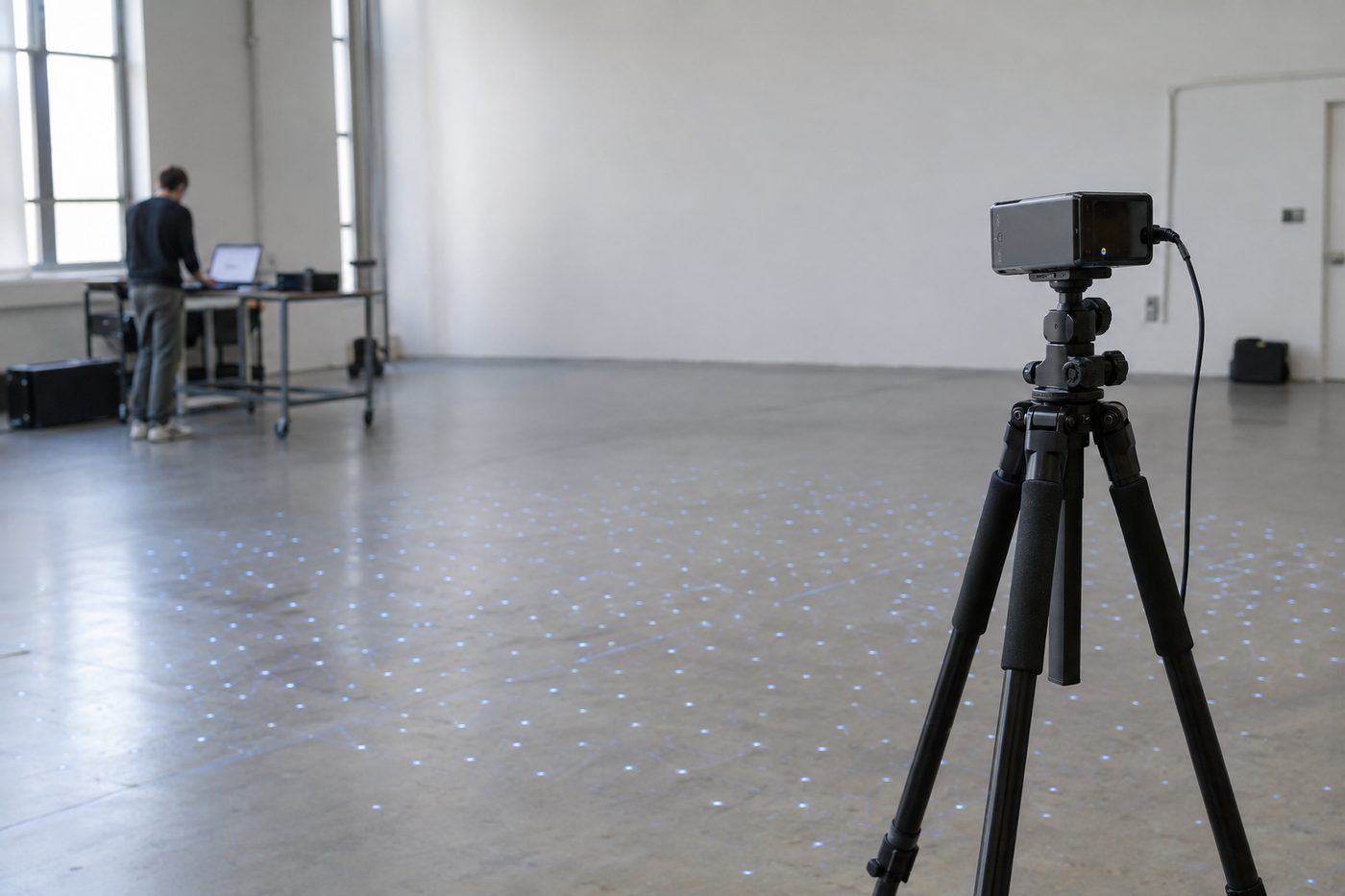
Movin has secured $2.7 million in pre-Series A funding, targeting the development of its AI-based, real-time motion capture technology for humanoid robots. The funding round was led by Atinum and included investors Naver D2SF, DSC Investment, and Krew Capital, according to the Robot Economy record. This capital will be dedicated to scaling Movin’s core product, Tracin, which uses Lidar for rapid, cost-efficient motion capture that appeals to both the robotics and gaming industries.
Tracin stands out by offering faster deployment and lower costs compared to traditional motion capture systems. Movin aims to supply high-quality 3D motion data to fuel AI-driven humanoid robot development, an area where data accuracy and delivery speed can make the difference in machine learning outcomes, as detailed by Humanoids Daily. Integration with major game engines such as Unity and Unreal gives Movin access to an existing supply base of developers eager for improved motion datasets.
To reinforce its relationships with key customers, Movin plans to open a Los Angeles office. This expansion is designed to strengthen the startup’s North American presence and better service studios and enterprises working in gaming, AI, and robotics. By staying close to this innovation cluster, Movin positions itself as a preferred partner for production teams already reliant on Unity and Unreal integrations, as Humanoids Daily notes.
Movin has also launched an internal studio focused on acquiring and curating 3D motion data specifically for humanoid robots. CEO Byeoli Choi emphasizes the rising demand for lifelike motion models, not only in robotics but also in healthcare applications, where motion data supports rehabilitation and diagnostics. This data-centric approach aligns the business with the needs of larger AI enterprises building generalizable models for real-world deployment, Humanoids Daily reports.
The sector’s pace is amplified by strong signals from global giants: Tesla and Samsung have increased investments in humanoid robots and AI, fueling demand for top-tier motion capture data. Movin’s bet on Lidar motion capture and high-resolution motion libraries places it in a favorable spot to supply the foundational data required by these industry leaders. As this appetite grows, Movin’s dataset and capture technology could become critical IP for partners and integrators, as explored via Humanoids Daily.
Movin’s partnership model appears to prioritize broad integration, particularly through referral arrangements and platform compatibility. The company earns commissions on referred bookings, signaling a push toward scalable SaaS-style commercial terms suited for high-frequency enterprise users. Such a go-to-market plan could reduce dependency on any single buyer and diversify contract risk, according to Humanoids Daily.
Why Is This Important to Investors? Investors should watch Movin’s progress as it targets a fast-expanding market for 3D motion data and Lidar-powered capture in humanoid robotics and gaming. If demand continues to rise from both established robotics manufacturers and new AI model builders, Movin’s ability to scale quickly and secure developer mindshare could position it for outsized contract wins or future acquisition interest. The company’s integration focus and new US outpost offer levers for customer growth that incumbents and startups alike will have to monitor, according to the Robot Economy record. Verified
Why we publish
The robot economy is being built right now, in filings, factory floors and funding rounds most people never read.
The Robot Economy reads them every week so you can act before the headlines. Robotics Weekly is free, for everyone following the shift. The paid edition adds the Brief, for operators and investors who have to act on it.
The paid edition
$8 / month
Public companies, capital, supply chains and analysis. Every Monday, every claim tagged and sourced.
SubscribeCharter price, locked for three years.
Try it first
Read four Monday issues of the paid edition on us. No card up front. Keep it at the charter price or walk away.
Start my free monthFree download
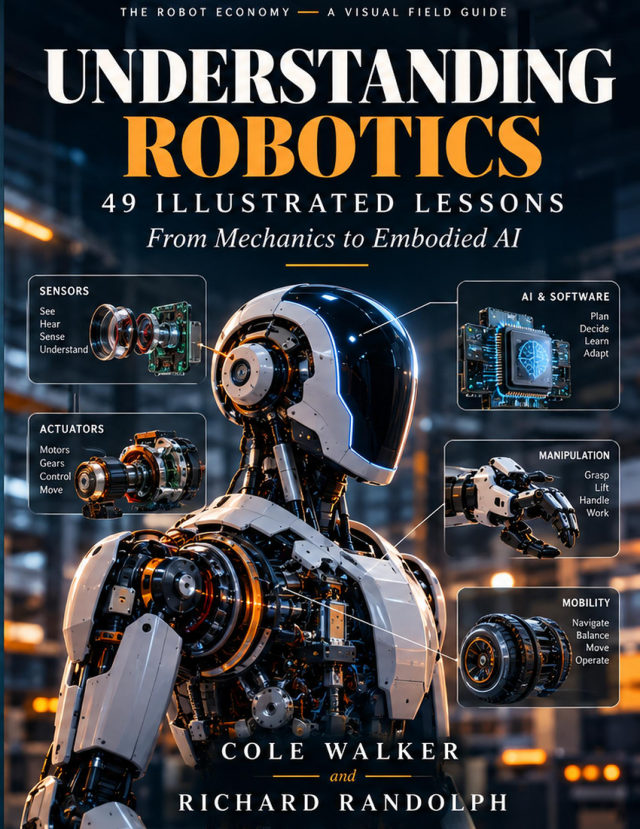
The visual field guide: 49 illustrated lessons, from mechanics to embodied AI.
Download the e-book