NewsArticles
Amazon’s LEO Satellite Ambitions Suffer Fresh Blow as Vulcan Rocket Fails
Published Nov 17, 2026
Topline
Amazon has yet to confirm any operational units from its Low Earth Orbit (LEO) satellite project after a Vulcan rocket failure destroyed 40 planned satellites.
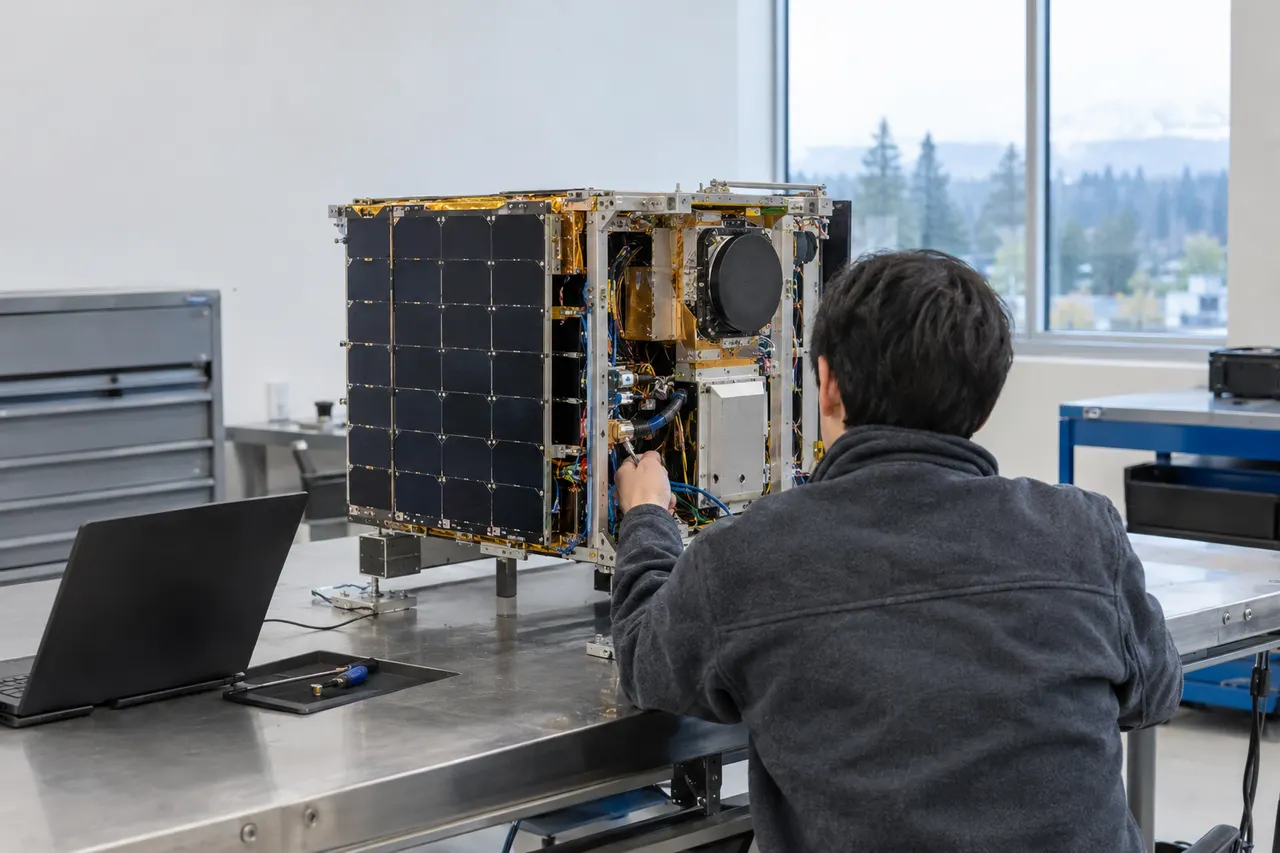
The loss compounds earlier challenges and delays for the project, with no evidence yet that any satellites are independently functioning in orbit. The company’s goal of building a global internet service remains in question after repeated setbacks, according to The Verge Tech.
The failed launch shows significant technical and logistical risks for Amazon’s ambitious push to compete with entrenched players in satellite communications. Unlike rival networks with thousands of satellites already operational, Amazon's LEO constellation project is struggling to establish even a single confirmed orbital presence.
The incident raises questions about program timelines and future reliability. Building a functional LEO network requires not only manufacturing and launching hundreds of satellites without major loss, but also establishing ground infrastructure and regulatory compliance. Repeated failures can drive up costs, erode commercial confidence, and postpone service launches indefinitely.
Amazon has not independently confirmed any operational LEO units, distinguishing its satellite program from competitors whose deployments can be externally validated. This lack of visibility limits reassurance to investors and customers eager for proof of progress.
Why it matters. The repeat failure of satellite deployment, with zero operational units verified, jeopardizes Amazon’s ability to challenge rivals in the global satellite internet business. Customers and stakeholders now face prolonged uncertainty, and the company’s aggressive timeline for global connectivity appears out of reach. Watch for Amazon’s next scheduled launch: without demonstrated capability, its satellite strategy faces escalating skepticism.
First published in Robotics Weekly — 2026-11-16.
Write for Robotics Weekly. Become a contributor.